
Up Close and Personal with Edwin Ng, CEO, Efinity Capital Management Pte Ltd
- 4 min read
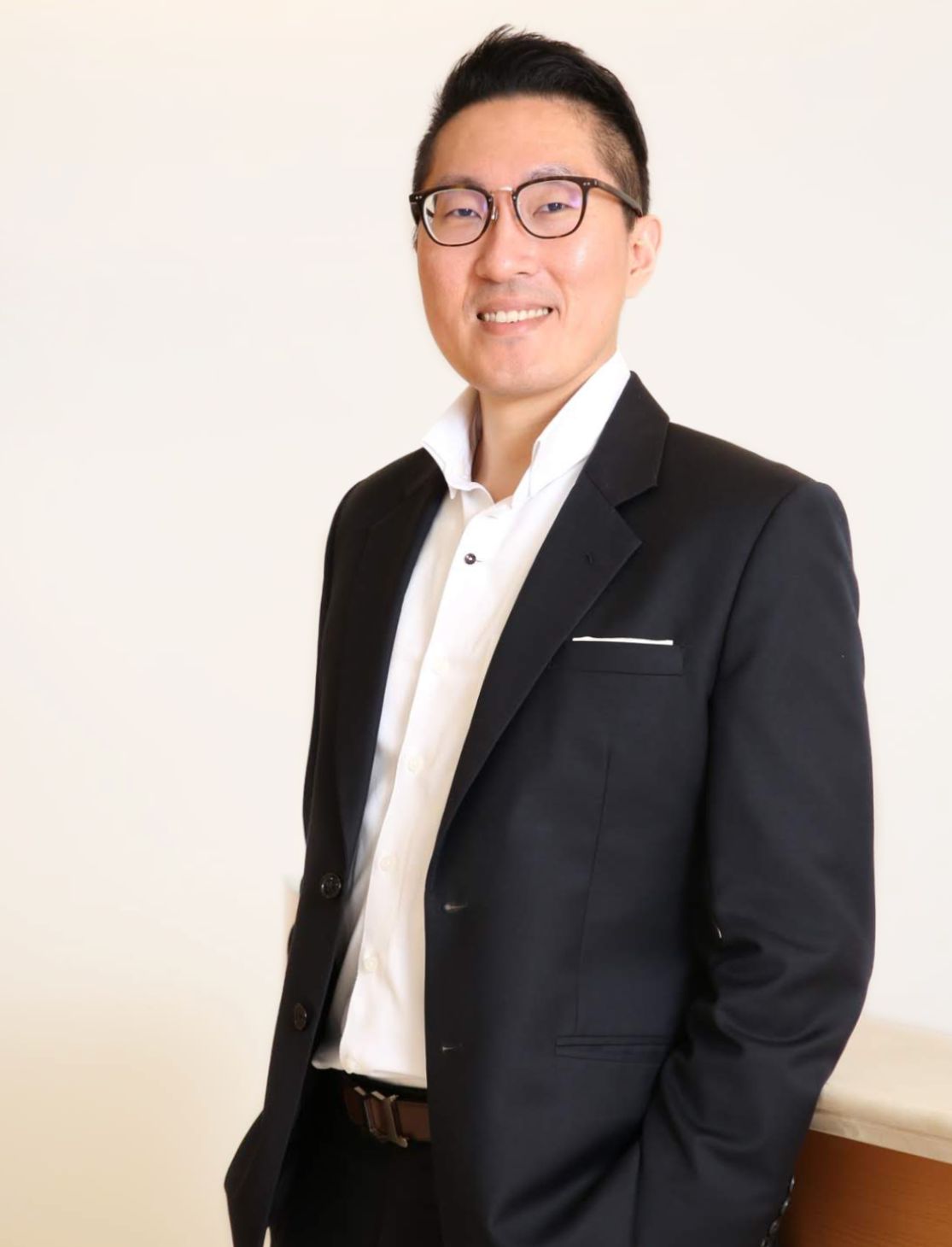
Edwin Ng
CEO
“Humility isn’t a virtue here. It’s an operating requirement.”
Tell us about yourself, your company, and your role.
Efinity Capital Management, an external asset manager was founded in Singapore in 2019.
The route here was not a straight one. Trained as an electronics engineer in Edinburgh, my first four years were spent designing hardware at Creative Technology – work I genuinely enjoyed. But the industry was heading somewhere I didn’t want to follow, so I left and joined UBS in Singapore in operations. That meant being the most junior person in the room again, at an age when my friends were being promoted.
Taiwan was the second restart. I arrived with almost nobody to call, my Chinese needed serious work, and the culture was not the one I’d grown up in. So I spent that first year mostly listening – sitting down with as many colleagues as would give me the time. Nearly eight years later, I’d learned that nobody owes you anything, and that this is survivable. It remains the most useful thing I know.
Efinity is built on what those years taught me. Earn your credibility from zero twice, and you stop believing that relationships alone are an asset. Anything worth building has to outlast the person who built it – true of a client’s wealth, true of a firm. So we take no bank rebates; our clients are the only people who pay us, and there’s never a question about whose interest sits behind a recommendation. The same logic applies to the specialists a family needs. Their lawyers, tax advisers and accountants are chosen because they’re right for that family, not because they sit on our payroll. We manage the money ourselves. Everything else, we convene – and holding that group together is our job, not the client’s.
Some of my colleagues think I run the place like an engineer. They’re not wrong. I’ve just stopped building with circuit boards.
What is wealth management to you?
Peace of mind. That’s it.
Almost everyone we look after built their money themselves, in a real business, taking risks that kept them awake at night. They’ve done the dangerous part already. They aren’t coming to us for more excitement. They want to know it will still be there for their children, that it stays ahead of inflation, and that nothing lands on them out of nowhere.
Which sounds humble until you try to deliver it every single time.
A private bank will offer a hundred products and do most of them adequately. We’d rather do a short list and never drop one. Reconcile every asset, wherever it sits, so the family sees the whole picture in one place. Preserve the capital. Invest it through a philosophy simple enough that a client can explain it to their own children without our help. And plan for the day the family has to pass it on.
That last one matters more than the market conversations. Succession isn’t something we raise once a client is comfortable enough to bring it up – it’s part of joining us. It’s an awkward conversation to have early. We have it early anyway.
Behind each relationship manager sits our investment team, and around them the family’s lawyers, tax advisers and accountants. Choosing them well and holding them together is the work. It means our RMs are never carrying a family alone, and no client here depends on one person. Two clients with the same risk profile shouldn’t get different portfolios, or different service, because they happened to sit down with different people. So there is one investment framework and one review process: a call report after every meeting, every action item tracked, nothing marked done until it genuinely is.
The client never sees the drafts, or the versions that were rejected. What they notice is that after twenty years, nothing has come apart. It isn’t glamorous work. It’s the whole job.
Three Key Lessons from the Past Three Years
1. Starting over is a skill, and it gets less frightening the more you do it.
Engineer to banker. Singapore to Taipei. Employee to founder. Each one meant giving up a network and a title and beginning again with neither. I’d be lying if I said I wasn’t afraid each time. But growth sits where you’re uncomfortable, and comfort is usually just an unpaid bill arriving later. The same is true of the firm – we’d rather deepen the platform than pad the headcount.
2. Discipline means knowing when to stop.
We spent real time and money testing AI-driven market signals from serious, well-backed providers. They didn’t beat the benchmark, so we shut it down. That was the process working, not the technology failing, and I’d rather explain a programme we ended than a story we kept telling. We’re still investing in AI, and I expect more of it not to work. What has worked is quieter – reporting, data aggregation, research, the paperwork that used to sit between us and our clients.
This year I went back to the classroom myself, on generative AI workflow automation. Not because I plan to build anything, but because I can’t sensibly back – or sensibly kill – what I don’t understand from the inside. I’m still very much a beginner. I’ve made my peace with that.
3. Humility isn’t a virtue here. It’s an operating requirement.
The children of our clients arrive having already read the research, and they ask sharper questions than their parents did. Good. The industry is moving faster than they are. A firm that runs on twenty-year relationships and nothing else is already obsolete – it just hasn’t been told yet. So we stay small enough to turn. I assume every year that something we believe is wrong, and finding it is the part that keeps us honest.